••
Minister Armah-Kofi Buah Unveils Major Mining Reforms and Restores Achimota Forest Protection
•3 min read•24 sources
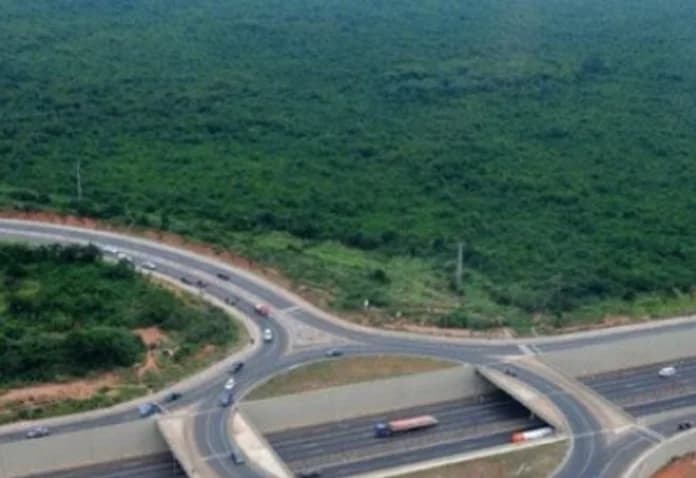
The Minister for Lands and Natural Resources, Emmanuel Armah-Kofi Buah, has announced a sweeping series of reforms and enforcement actions aimed at sanitizing Ghana's extractive and land sectors. A primary highlight of this effort is the Cabinet’s revocation of Executive Instrument (E.I.) 144, which restores the Achimota Forest Reserve to its full protected status. By reversing the 2022 excision of 361.5 acres, the government has moved to secure the ecological integrity of Accra’s primary urban forest. This decision aligns with a broader national strategy to end the 'era of impunity' regarding natural resource management and environmental degradation.
In a major overhaul of the mining sector, the Cabinet has approved amendments to the Minerals and Mining Act to reduce the maximum duration of mining leases from 30 years to 20 years. While the Ministry maintains that this change will enhance governance and ensure host communities benefit more frequently from mineral resources, the move has sparked debate. John Darko, MP for Suame, warned that shorter lease periods might deter long-term capital investments and weaken Ghana’s competitiveness against regional neighbors like Benin and Côte d’Ivoire. To address community grievances, the new legislation mandates that mining firms secure formal recommendations from host communities and sign Community Development Agreements before licenses are granted.
The government is also intensifying its crackdown on illegal mining, or 'galamsey,' through technology and increased boots on the ground. Between January and June 2026, the National Anti-Illegal Mining Operations Secretariat (NAIMOS) conducted 200 operations resulting in 207 arrests and the seizure of various firearms and equipment. A new geo-fencing and tracking program has registered 4,300 excavators, with over 3,000 units currently sitting unclaimed at Tema Port as a result of stricter monitoring. To protect vital water bodies, the government has deployed 2,069 'Blue Water Guards' across eight regions, while reclamation projects restored 1,335 acres of degraded land in 2025, with a goal of reclaiming another 1,500 acres this year.
Beyond enforcement, the Ministry is focusing on modernization and resource expansion. The Lands Commission is rolling out the Enterprise Land Information System (ELIS) across nine regions, targeting a one-month turnaround for land registration to eliminate the influence of 'goro boys' or unauthorized agents. Meanwhile, the discovery of high-grade iron ore in the Oti Region by the Ghana Integrated Iron and Steel Development Corporation (GIISDEC) offers new industrial potential. To ensure sustainable growth, the government is formalizing small-scale mining through the Responsible Community Mining and Skills Development Programme (rCOMSDEP), which has already registered over 9,000 miners in sustainable practices.

