••
Chief Justice Paul Baffoe-Bonnie’s Support for President Mahama Sparks Debate on Judicial Neutrality
•2 min read•12 sources
The Judicial Service of Ghana has come to the defense of Chief Justice Paul Baffoe-Bonnie following a wave of criticism over remarks he made praising the current administration and state-owned enterprises (SOEs). During visits to the Minerals Income Investment Fund (MIIF) and the Social Security and National Insurance Trust (SSNIT) in early September 2026, the Chief Justice urged Ghanaians to support President John Mahama’s nation-building agenda, asserting that the President’s success is synonymous with the nation’s success. These comments, which included a critique of institutional performance over the "past eight years," have ignited a fierce debate regarding the boundaries of judicial independence and the neutrality of the bench.
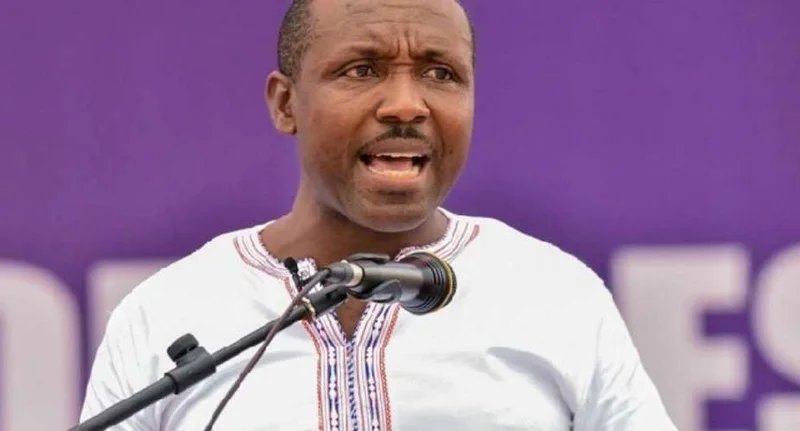
Leading the criticism, the New Patriotic Party (NPP) and various political activists expressed concern that the Chief Justice’s remarks were overtly partisan. Ellen Ama Daaku of the NPP’s communications team argued that the comments undermined the perception of an independent judiciary, while John Boadu warned that such conduct could erode public confidence in the courts. Furthermore, Dr. Arthur Kobina Kennedy urged the Chief Justice to redirect his focus from the performance of state institutions to pressing challenges within the judiciary itself, such as missing case dockets, judicial corruption, and significant delays in the appellate process, which he argued are more critical to restoring public trust.
The Ghana Center for Democratic Development (CDD-Ghana) also called for restraint, citing a survey where public confidence in the courts remained low. They emphasized that the Code of Conduct for Judges requires the maintenance of perceived neutrality to protect democratic integrity. Conversely, supporters such as Franklin Cudjoe, President of IMANI Africa, and legal practitioner Anatu Anne Seidu Bogobiri defended the Chief Justice. They argued that his comments were made in a patriotic spirit during an outreach engagement rather than a judicial session, and that as a citizen, he has the right to advocate for initiatives that benefit national development.
In a formal clarification, Judicial Secretary Musah Ahmed stated that the Chief Justice’s observations were made in "good faith" and were intended to be constructive rather than political. The Judicial Service reaffirmed its commitment to upholding judicial integrity while emphasizing that robust institutions and an efficient justice system are essential for boosting investor confidence. This incident highlights the ongoing tension between the judiciary’s role in civic leadership and the strict standards of impartiality required to sustain public trust in the legal system under the current administration.
Related topic
NPP (New Patriotic Party): Latest News →
