••
Speaker Bagbin Warns of Democracy Being 'For Sale' as NDC and NPP Reorganize for Future Elections
•3 min read•23 sources
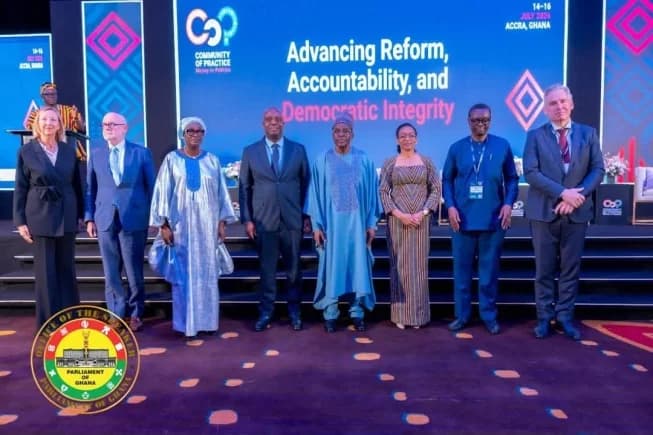
The Speaker of Parliament, Alban Sumana Kingsford Bagbin, has issued a stark warning regarding the increasing influence of money in Ghanaian politics, asserting that the commercialization of public office is sidelining ordinary citizens and distorting democratic principles. Speaking at a High-Level Regional Convening on the Financialization of Politics in Africa held in Accra, Bagbin highlighted that the rising costs of political participation are eroding public trust and shifting power from ideas to financial strength. Supported by Binaifer Nowrojee of the Open Society Foundations, the Speaker urged for actionable reforms, including mandatory funding disclosures and stronger oversight, to ensure that political leaders remains accountable to the citizenry rather than wealthy financiers. This call for integrity comes amid a period of intense internal restructuring within Ghana's major political parties as they look toward future electoral cycles. Within the National Democratic Congress (NDC), recent polling by Global InfoAnalytics indicates a shifting leadership landscape. While Johnson Asiedu Nketia remains the frontrunner for the 2028 presidential nomination with 27% support, his lead is being narrowed by Dr. Cassiel Ato Forson, who has climbed to 22%. Simultaneously, Nii Lantey Vanderpuye has emerged as a favorite for the national chairmanship with 26.8% support. The party is also navigating internal disciplinary matters, with Central Regional Chairman Dr. Richard Kofi Asiedu issuing a public apology to Obaatanpa Radio following a disruptive attack on the station by party affiliates. Meanwhile, the party continues to expand its regional reach, with Alhaji Ibrahim Abdul Jalil declaring his bid for the Northern Regional Chairmanship on a platform of unity and youth empowerment. The New Patriotic Party (NPP) is also facing significant internal shifts as former National Chairman Paul Afoko announces his intent to reclaim his position. Afoko, who was suspended in 2015, emphasized his unwavering loyalty to the party and outlined a vision based on the 'Three Rs': Reunite, Rebuild, and Recapture. He argued that internal factionalism was a primary driver of the party's 2024 electoral defeat and called for a reinforcement of grassroots structures to support a future campaign for Dr. Mahamudu Bawumia. This reorganization is occurring alongside sharp policy debates in Parliament, where Kojo Oppong Nkrumah has criticized the government’s 24-Hour Economy program. Oppong Nkrumah alleged that despite GH¢650 billion in public expenditure, the initiative has failed to produce tangible jobs or factories, urging a return to the One District, One Factory (1D1F) model. As the political landscape evolves, emerging voices are demanding greater accountability and inclusion. Efua Ghartey, President of the Ghana Bar Association, has challenged the political class to be honest about the feasibility of manifesto promises, while investigative journalist Manasseh Azure Awuni has called on the judiciary to take tougher action against attacks on media professionals to protect the flow of credible information. Highlighting a push for generational change, 22-year-old law student Nana Agyeiwaa Baffoe-Bonnie Michaels has announced her candidacy for the Manhyia South parliamentary seat under the Base Movement Ghana, aiming to challenge the long-standing NDC-NPP duopoly with a focus on youth unemployment and infrastructure development. These developments collectively underscore a critical juncture for Ghanaian democracy, where the fight against financial corruption, the quest for party unity, and the demand for policy transparency will shape the nation's political future.
Related topic
NDC (National Democratic Congress): Latest News →

