••
CUTS International Urges Government to Delay TRAFFITECH-GH Rollout Over Infrastructure Concerns
•2 min read•1 source
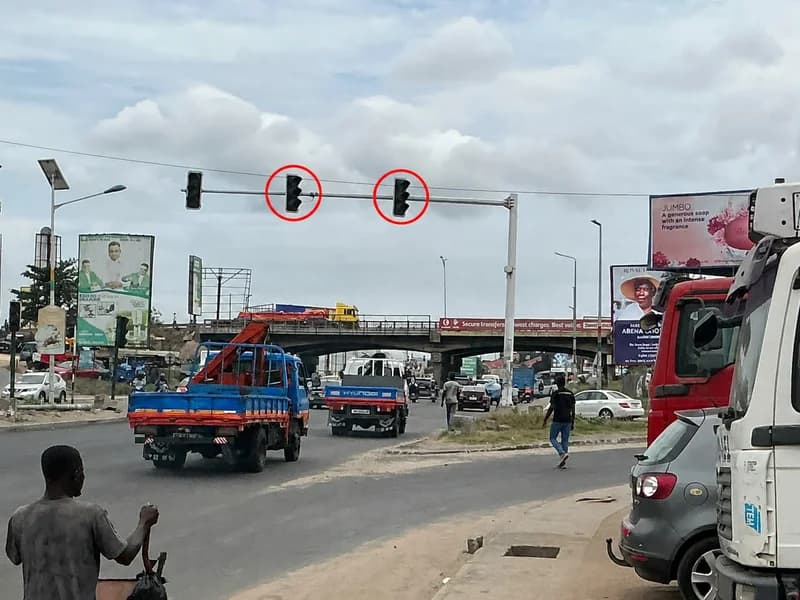
Public policy think tank CUTS International is calling on the Ghanaian government to postpone the scheduled full enforcement of TRAFFITECH-GH, currently slated to begin on October 1, 2026. While the organization expressed support for leveraging technology to enhance road safety and traffic rule compliance, it warned that the current state of physical infrastructure at enforcement locations could undermine the system's effectiveness. The think tank insists that a comprehensive inspection and repair of traffic lights and road markings must occur before the automated system begins issuing fines to motorists.
The concerns raised by CUTS International stem from observed deficiencies in road infrastructure, particularly within the capital city of Accra. The organization identified numerous instances where traffic lights are obscured by foliage, physically damaged, or completely out of service. Such malfunctions present a significant risk of confusion for drivers, who may be unfairly penalized by the automated TRAFFITECH system for violations caused by poor visibility or faulty signaling. CUTS emphasized that for the rollout to be fair and successful, the government must ensure that all traffic signals at enforcement points are fully functional and visible to all road users.
In addition to functional traffic lights, the policy group highlighted the critical need for clear and consistent road markings and signage. Specifically, CUTS urged authorities to prioritize the installation of visible speed limit signs in areas equipped with TRAFFITECH-GH speed cameras. Without clear indications of the legal speed limits and well-defined lane markings, the organization argues that the automated system might be perceived as a revenue-generating tool rather than a genuine safety initiative. They called on the relevant road authorities to conduct a nationwide audit of all designated enforcement zones to rectify these infrastructure gaps before the October deadline.
As the October 1 enforcement date approaches, the push for a delay underscores the broader challenge of synchronizing high-tech governance solutions with existing physical infrastructure. CUTS International maintains that while TRAFFITECH-GH represents a positive step toward modernizing Ghana's road traffic management, its legitimacy depends on the government's ability to provide a reliable environment for motorists to comply with the law. The think tank’s appeal serves as a reminder that the success of digital enforcement relies heavily on the maintenance of the very roads and signals it intends to monitor.

