••
DigiMarkt Project calls for AI to be a mandatory subject in schools
•2 min read•1 source
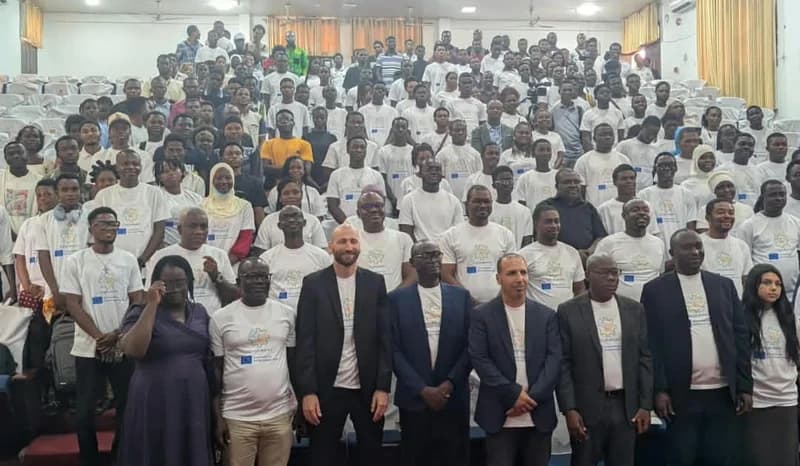
Management of the DigiMarkt Project is advocating for the mandatory integration of Artificial Intelligence (AI) into Ghana’s mainstream education system to better prepare students for the digital economy. Speaking at a recent conference, project leaders emphasized that making AI a required subject in both secondary schools and universities is essential for the nation's youth to remain competitive. The initiative seeks to ensure that the next generation of Ghanaian professionals possesses the technical literacy required to navigate a global job market increasingly dominated by automated technologies.
Prof. Yarhands Dissou Arthur, representing the project board, highlighted that AI is poised to transform various industrial sectors, making it a prerequisite for future employment. He stressed that the curriculum must go beyond technical skills to include the responsible and ethical use of AI, which would help prevent public panic and ensure the technology is applied for the benefit of society. This educational shift is particularly vital for Technical and Vocational Education and Training (TVET) graduates, who need digital competencies to enhance their employability in modern trades.
Project Coordinator Dr. Jonathan Barth noted that Ghana should develop an AI strategy tailored to Africa’s unique socio-economic challenges rather than simply mimicking European models. To support this, the DigiMarkt Project is collaborating with European partners to establish remote work opportunities for local talent. By connecting Ghanaian youth to international markets while they remain in the country, the project aims to address the persistent issue of youth unemployment and reduce the impact of the "brain drain" on the national economy.
The push for AI integration aligns with broader national efforts to modernize the education sector to meet the demands of the 21st century. By embedding these digital skills into the academic fabric of the country, the DigiMarkt Project believes Ghana can create a sustainable pipeline of skilled professionals. These reforms are seen as a necessary step in ensuring that Ghanaian graduates are equipped to lead innovation and contribute effectively to the evolving global technological landscape.


