••
Ghana’s Constitutional Reform Gathers Momentum as GJA, Lawmakers, and Civil Society Demand Inclusive Governance
•3 min read•4 sources
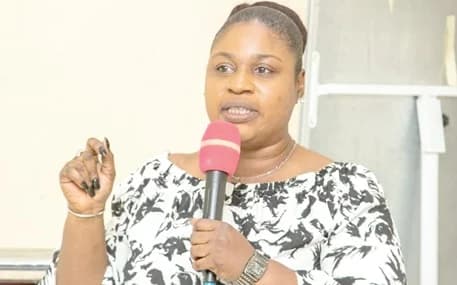
Ghana’s push for constitutional and local governance reform has entered a critical phase, with stakeholders from across the media, civil society, and the legislature demanding a more inclusive and transparent process. During a recent media engagement in Accra, the Vice-President of the Ghana Journalists Association (GJA), Rebecca Ekpe, urged journalists to take a leading role in driving these reforms. She emphasized that the media must ensure the revised Constitution reflects the aspirations of all Ghanaians rather than a select elite. This sentiment was echoed by Adem Abebe, a Senior Advisor at International IDEA, who stressed that the protection of the media is fundamental to the success of any democratic reform, as journalists serve as the primary bridge between public opinion and policy formation.
A central pillar of the reform debate remains the structure of local governance, specifically the election of Metropolitan, Municipal, and District Chief Executives (MMDCEs). At a forum organized by the Ghana News Agency and other stakeholders, participants raised significant objections to a proposed model that would see the President nominate candidates for public election. Critics argue that this hybrid system is flawed, potentially limiting voter choice and failing to provide the genuine accountability that a fully democratic local system requires. To resolve this long-standing impasse, development practitioner Douglas Quartey has proposed a citizen-led referendum in 2027. He noted that public sentiment is increasingly shifting toward a partisan local governance structure, suggesting that the power to decide this should rest directly with the voters rather than political leadership.
Beyond local governance, there is a growing consensus on the need to depoliticize the technical bodies overseeing the amendment process. Stakeholders, including Member of Parliament Alhassan Tampuli, have called for the expansion of the Constitution Review Implementation Committee (CRIC) to include a broader range of public and civil society actors. This move is seen as essential for building a national consensus on the 206 proposals for amendment currently under consideration. By broadening the CRIC, proponents believe the government can address concerns regarding partisanship and ensure that the resulting legal framework enjoys wide public legitimacy.
As these discussions progress, the alignment of media practitioners with position papers from the Institute of Economic Affairs (IEA), the New Patriotic Party (NPP), and various civil society organizations signals a coordinated effort to modernize Ghana’s democracy. The next steps in this process will likely involve intense legislative scrutiny and continued public advocacy to ensure that the eventual reforms strengthen the nation's decentralization efforts and protect its democratic integrity. The coming years, particularly leading up to the proposed 2027 referendum, will be pivotal in determining whether Ghana can successfully navigate these complex constitutional transitions.
Related topic
NPP (New Patriotic Party): Latest News →
