••
Independent Public Emoluments Commission bill set for November 2026
•2 min read•1 source
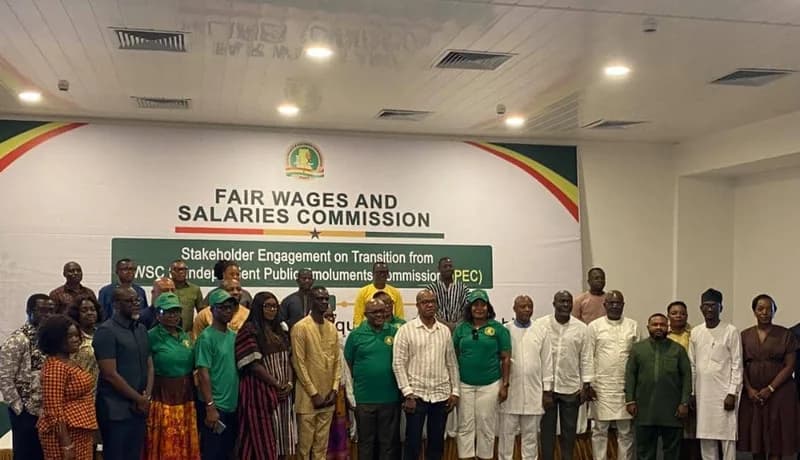
The Government of Ghana is preparing to lay the draft bill for the Independent Public Emoluments Commission (IPEC) before Parliament by November 2026. This legislative initiative marks a significant transition in the management of public sector compensation, as the new commission is designed to replace the existing Fair Wages and Salaries Commission (FWSC). The reform aims to modernize the country's pay structure by ensuring that remuneration is closely aligned with fiscal sustainability and national development priorities.
A central feature of the proposed reform is the introduction of a National Emoluments Policy and a National Productivity Framework. These initiatives are designed to create a direct link between public sector pay and individual or institutional performance. According to Dr. Smith-Graham, the IPEC will focus on maintaining performance incentives while ensuring that the overall wage bill remains manageable. To achieve equitable pay across various sectors, the commission will also oversee a nationwide Job Evaluation exercise to standardize how roles are valued and compensated.
Recent stakeholder engagements have brought together leaders from various State-Owned Enterprises (SOEs) to discuss the implications of the new commission. These discussions addressed critical concerns regarding talent retention and the continuity of existing Collective Agreements. Officials have assured SOE leaders that the IPEC framework is intended to enhance, rather than diminish, the ability of public institutions to attract skilled professionals by providing a more stable and predictable environment for wage negotiations and fiscal planning.
The establishment of the IPEC represents a strategic shift toward a more data-driven and productivity-oriented public service in Ghana. By replacing the FWSC, the government intends to resolve long-standing issues of pay disparity and the escalating costs of the public sector wage bill. As the draft bill moves toward its scheduled parliamentary introduction in late 2026, the focus will remain on balancing the welfare of workers with the financial realities of the state to ensure a more efficient and motivated public workforce.

