••
Political Activists and Social Media Influencers Face Legal Action Over Defamatory Remarks Against Ghanaian Leaders
•3 min read•7 sources
Ghana's political landscape is witnessing a surge in legal actions as the state cracks down on defamatory comments and offensive conduct on social media. Recent weeks have seen the arrest and prosecution of political party organizers and digital influencers across the partisan divide, highlighting a growing tension between freedom of expression and the protection of reputations. These cases involve allegations of murder, theft, and personal insults directed at high-profile figures, including former Vice President Dr. Mahamudu Bawumia, former President John Dramani Mahama, and the First Lady. The judicial interventions have sparked a national conversation about the boundaries of political criticism in the digital age.
In one high-profile case, Prince Aboagye, a 39-year-old lotto agent and National Democratic Congress (NDC) branch organiser in the Agona West Constituency, has been charged with offensive conduct and the publication of false news. Appearing before an Accra court, Aboagye—known on TikTok as 'Atutulagh'—pleaded not guilty to claims that he accused Dr. Bawumia of serious crimes, including murder and theft, in a viral video. Although the prosecution initially sought his detention, he was granted bail in the sum of GH₵200,000. Meanwhile, the New Patriotic Party (NPP) has seen one of its own members, Camilla Alhassan, sentenced to a year in prison for offensive conduct and making false claims against President John Mahama. NPP National Organiser Henry Nana Boakye confirmed Alhassan's party membership but maintained that while the party condemns offensive language, free speech should not be criminalized.
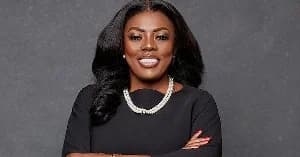
Another influencer, Aminat Mahama, popularly known as 'Bawumia Ba,' has also faced legal scrutiny for derogatory comments and allegedly encouraging violence. In a recent development, an Accra Circuit Court reduced her bail from GH₵1 million to GH₵50,000 under revised conditions, including the requirement of two sureties and regular reporting to the police. The severity of the initial bail and the subsequent legal proceedings have drawn commentary from media personalities like Nana Aba Anamoah, who emphasized that 'freedom of expression is not a licence for stupidity,' arguing that constitutional rights do not provide an excuse for criminal acts or the spread of misinformation.
This trend of 'insults masquerading as free speech' has triggered a broader debate regarding a potential crisis of values within Ghana's digital space. Observers and legal experts suggest that the normalization of abusive language against political leaders threatens to undermine democratic discourse. While the right to criticize government officials is a cornerstone of democracy, the emergence of unsubstantiated personal attacks has led to calls for public education on responsible speech and stronger enforcement of community standards by social media platforms. As these cases proceed through the courts, the outcome will likely set significant precedents for how Ghana balances the protection of individual dignity with the fundamental right to free expression.
Related topic
NDC (National Democratic Congress): Latest News →

