••
Ghana’s State-Owned Enterprises Return to GH¢19.8 Billion Profit in 2025 Ending Four-Year Losing Streak
•3 min read•8 sources
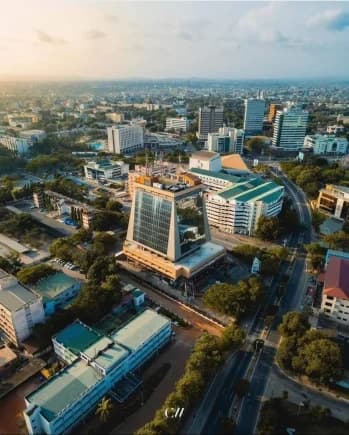
Ghana’s State-Owned Enterprises (SOEs) have achieved a landmark financial turnaround, recording a consolidated net profit of GH¢19.80 billion for the 2025 financial year. This performance, detailed in the State Interests and Governance Authority’s (SIGA) 2025 State Ownership Report, marks the end of a four-year cycle of net losses, including a GH¢2.25 billion deficit recorded in 2024. Total revenue across the 162 evaluated entities surged by 28.12%, rising from GH¢137.64 billion to GH¢176.43 billion. This recovery coincides with the first year of President John Dramani Mahama’s current term, supported by a stabilizing macroeconomic environment and a real GDP growth rate of 6 percent.
The recovery was largely driven by explosive growth in non-energy sectors. The agriculture subsector saw revenue surge by 203.71%, while manufacturing and infrastructure grew by 114.74% and 92.24%, respectively. Joint Venture Companies (JVCs) also posted strong results, with net profits increasing by 36.55%. Beyond financial metrics, the SOE sector expanded its workforce by 5.5%, reaching 98,724 employees, with women's representation rising to 30.02%. SIGA attributed these gains to improved procurement oversight and reduced finance costs, alongside a general rebound in global and local economic conditions that favored state-led industries.
However, policy analysts and SIGA officials have cautioned that the GH¢19.80 billion figure requires nuanced interpretation. A substantial portion of the profit—approximately GH¢11.72 billion—stemmed from net foreign exchange gains following currency stabilization rather than fundamental operational efficiency. Furthermore, despite the high "paper profits," cash dividends remitted to the state plummeted by 29.4% to just GH¢16.00 million. This highlights a significant gap between accounting figures and actual cash flow available to the national treasury. Persistent challenges also remain for specific entities; while many SOEs returned to the black, five entities have incurred losses every year since 2021, and the Electricity Company of Ghana (ECG) continues to struggle with high liabilities and negative equity.
Looking ahead, the government is focusing on converting this recovery into sustainable long-term value. SIGA has recommended the liquidation of the Ghana Railway Company due to its ongoing operational struggles and emphasized that future growth must be rooted in structural governance reforms rather than favorable macroeconomic swings. Presidential Spokesman and Minister of State Felix Kwakye Ofosu indicated that the administration will prioritize accountability and improved capital management to mitigate fiscal risks. As the sector moves forward, the emphasis will shift toward maintaining these gains through enhanced transparency and better performance monitoring to ensure state entities contribute meaningfully to the national economy.
Live rates
Dollar to cedi rate →