••
Roads Minister Governs Agbodza Proposes Extended Contractor Liability to Ensure Infrastructure Durability
•3 min read•2 sources
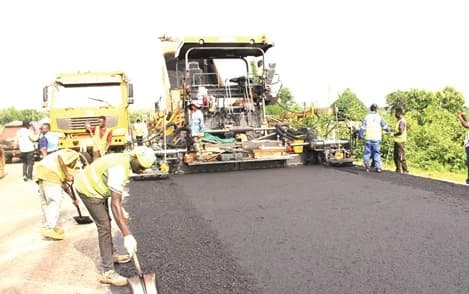
The Minister of Roads and Highways, Governs Kwame Agbodza, has proposed a significant policy shift aimed at enhancing the quality and longevity of Ghana's road network. Speaking during an inspection of the Accra-Kumasi Expressway, the Minister advocated for extending the defect liability period (DLP) currently stipulated in road construction contracts beyond the standard one-year term. Mr. Agbodza argued that a single year of liability is insufficient for infrastructure designed to last three decades, emphasizing that contractors must be held more accountable for the long-term integrity of their work to better protect public investments and encourage higher construction standards.
To facilitate this change, the Minister is currently engaging in high-level discussions with the Ministry of Finance and the Ministry of Works and Housing. The proposed extension seeks to align the period of contractor responsibility more closely with the expected lifespan of the roads being constructed. By enforcing these stricter standards, the government aims to minimize the cycle of frequent, costly repairs and reallocate national resources toward expanding the nation’s infrastructure footprint rather than merely maintaining existing routes. Mr. Agbodza expressed strong confidence in the technical capabilities of Ghanaian engineers, noting that the emphasis must remain on durability and value for money.
Parallel to these policy discussions, the Ministry is actively integrating practical training into major infrastructure projects under the "Big Push Infrastructure Programme." On the 47km Kumasi Outer Ring Road project, 15 tertiary students from the Ashanti Region have been engaged by the project contractor to gain hands-on experience. These students, specializing in civil engineering, geomatics engineering, and quantity surveying, are participating in various stages of the project, including vegetation clearance, earthworks, and the construction of drains. This initiative is designed to bridge the gap between academic theory and field practice, ensuring a new generation of professionals is equipped to handle large-scale engineering challenges.
Minister Agbodza highlighted that the scale of current projects provides unique learning opportunities despite the inherent difficulties of such massive undertakings. He urged all stakeholders to maintain the current momentum to ensure timely completion of the Kumasi project, which is already seeing significant progress. The dual focus on stricter contractual accountability and robust professional development reflects a broader strategy by the Mahama administration to build resilient infrastructure that serves as a foundation for economic growth. As these policy shifts take hold, the government expects to see a marked improvement in the quality of roads delivered across the country.


