••
Ghana’s Business Landscape: Standards Enforcement, Infrastructure Strain, and Strategic Growth Initiatives Drive Economic Outlook
•3 min read•9 sources
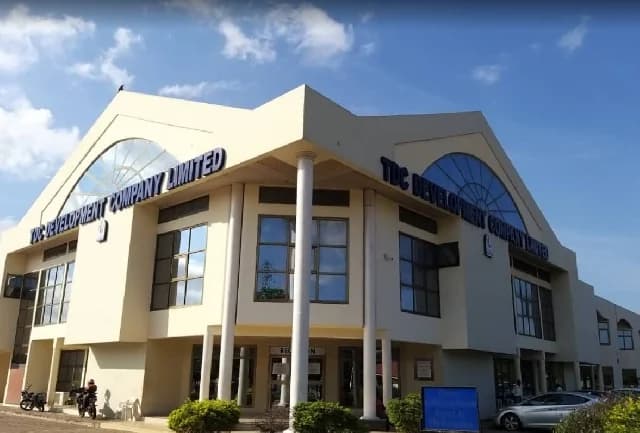
Ghana’s business environment is currently navigating a complex intersection of rigorous regulatory enforcement, infrastructure vulnerabilities, and ambitious growth strategies. At the forefront of consumer safety, the Ghana Standards Authority (GSA) recently conducted a major crackdown in Afienya, shutting down four mattress manufacturing companies—Yin Yuan Jia Limited, Mooda Limited, Hue Sheng Company, and Asano Service—for using hazardous, substandard materials. Regional Manager Clement Kubati noted that these firms substituted required polyurethane foam with toxic polystyrene and unapproved polyethylene derivatives, posing severe respiratory and environmental risks. Meanwhile, TDC Ghana Ltd has moved to stabilize the real estate sector by clarifying that its ongoing litigation with Trasacco Estates is restricted to a specific 361-acre parcel in Tema Community 23, rather than the entire enclave, urging potential buyers to exercise caution amidst misinformation.
Operational challenges are simultaneously testing the resilience of Ghana’s digital and energy backbones. The Ghana Chamber of Telecommunications has raised alarms over a surge in fibre optic cable damage, which has escalated from 400 annual incidents to over 8,000, significantly straining the financial resources of telecom operators. CEO Sylvia Owusu-Ankomah is advocating for a "dig once" policy to synchronize roadworks with utility deployments. Compounding these infrastructure concerns, a report from the Centre for Environmental Management and Sustainable Energy (CEMSE) warns of a mounting financial burden in the power sector. Due to natural gas shortages, reliance on expensive liquid fuels like Heavy Fuel Oil (HFO) is projected to soar, with total fuel expenditure for power generation potentially reaching $229.89 million by 2025.
Despite these hurdles, strategic initiatives are being deployed to boost productivity and trade efficiency. A high-level 23-member delegation, led by Food and Agriculture Minister Eric Opoku, is currently in Nebraska to foster a Livestock Modernisation Partnership aimed at enhancing technology transfer and agribusiness investment. Domestically, the Ghana Shippers’ Authority has intensified night-time monitoring at national ports to reduce cargo delays and support the government’s 24-hour economy initiative. This shift toward a continuous economic cycle is also being felt at the local level in Yeji, where the Traditional Council, led by Nana Sumpahene Kwame Dangnye, is relocating residents to facilitate the construction of a new 24-hour economy market designed to stimulate regional trade and job creation.
Underpinning these developments is a growing call for ethical governance and transparency within the commercial sector. Industry leaders at the "Great Conversation" in Accra, including CIPS Global CEO Ben Farrell, emphasized that robust procurement practices are essential for navigating global supply chain disruptions and fostering economic resilience. As Ghana strives to modernize its livestock industry, protect its digital infrastructure, and enforce manufacturing standards, the integration of technology—such as AI for procurement accountability and digital tools for real-time cargo tracking—remains pivotal. These collective efforts reflect a broader national ambition to build a competitive, standardized, and resilient 24-hour industrial economy.

