••
Joseph Kabila assumes leadership of FRN rebel movement in eastern DRC
•2 min read•1 source
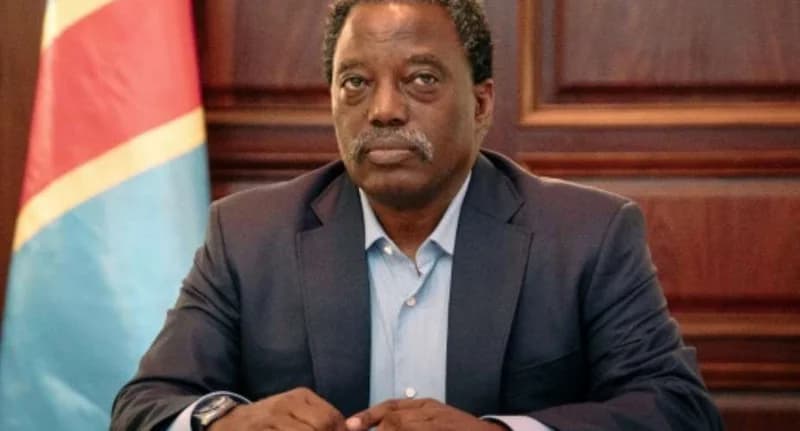
Former Democratic Republic of Congo (DRC) President Joseph Kabila has reportedly assumed leadership of the Front for the Refoundation of the Nation (FRN), a rebel coalition operating in the country’s volatile eastern region. Kabila, who governed the DRC from 2001 to 2019, emerges as the head of the group that has succeeded the M23 armed movement. This shift marks a dramatic return to the political and military stage for the former leader, who is currently facing a death sentence for treason and is under United States sanctions for his alleged involvement with the insurgency.
The emergence of the FRN under Kabila’s control comes amid a period of relative stabilization on the front lines, though active fighting persists in parts of the east. His leadership of the group has intensified scrutiny from the international community, particularly the United States, which sanctioned him for providing support to the rebellion. Domestically, the Congolese government has leveled charges of treason against him, a move that highlights the deteriorating relationship between Kabila and his successor, President Felix Tshisekedi.
Tensions in Kinshasa have reached a fever pitch as political opposition rallies against President Tshisekedi, with some supporters of the current administration calling for a constitutional change to allow a third term. Kabila's resurgence as a militant leader adds a complex layer to this internal power struggle. Furthermore, the FRN’s activities have raised questions regarding the level of support from neighboring Rwanda, a factor that has historically influenced the scale and longevity of rebellions in eastern DRC.
As diplomatic efforts to resolve the conflict continue, the inclusion of a former head of state at the helm of an armed rebellion poses a unique challenge to regional stability. Observers are closely watching Kabila’s next moves to determine if his objectives are primarily territorial or intended to force a political transition in the capital. The Congolese government has yet to issue a definitive military response to this new leadership structure, but the development remains a major flashpoint for the Great Lakes region.


