••
King Mohammed VI says Morocco-Spain migration model has reached its limit
•2 min read•1 source
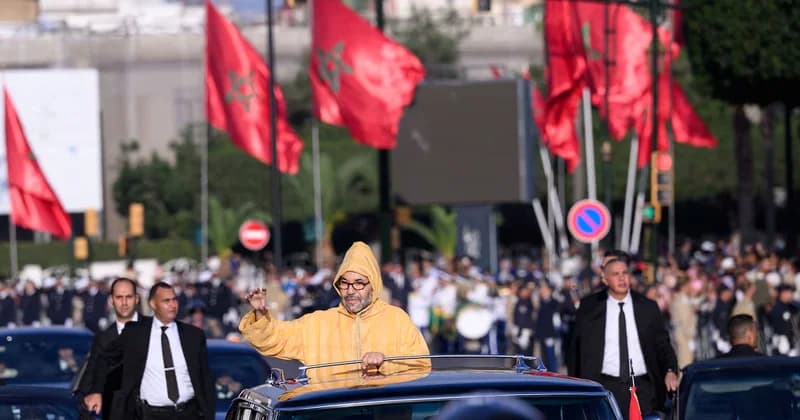
King Mohammed VI of Morocco has declared that the long-standing migration cooperation model with Spain has reached its functional limits. Speaking on the current state of border management, the King stated that while Morocco has achieved "concrete results" in managing irregular flows, the existing framework is failing due to recurring crises and systemic inefficiencies. He emphasized that the current system is no longer equipped to handle the legal and logistical pressures faced by both nations in the Mediterranean region.
The King's critique follows a significant security and humanitarian challenge in July 2026, when approximately 70,000 individuals attempted to cross into the Spanish enclave of Ceuta. While many of those who crossed were eventually returned to Morocco, thousands remain in Spanish territory, including a large number of minors whose legal status remains unresolved. King Mohammed VI specifically pointed to outdated Spanish court decisions as a major obstacle, noting that these judicial rulings frequently hinder repatriation efforts and prevent the effective implementation of shared security agreements between Rabat and Madrid.
To resolve the impasse, Morocco is proposing a transition toward a new partnership approach focused on shared development and regional stability. This shift aims to move beyond security-heavy responses to address the underlying economic drivers of migration. While diplomatic relations have generally improved since Spain's 2022 endorsement of Morocco's autonomy plan for Western Sahara, the King's remarks underscore that the migration issue remains a volatile point of friction that requires a modernized legal and economic framework to ensure long-term stability for both nations.
