••
President Mahama Announces 1,200MW Gas-Fired Thermal Power Expansion to Bolster Energy Security
•2 min read•1 source
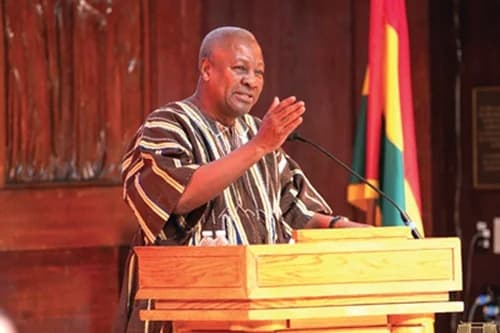
President John Dramani Mahama has revealed plans for Ghana to develop its largest thermal power capacity to date, with agreements for 1,200 megawatts of gas-fired thermal power expected to be signed by the end of the year. Addressing a town hall meeting in New York, the President underscored the strategic importance of this expansion in the context of the global energy transition. This move is designed to provide a robust and sustainable energy backbone for the country, ensuring that Ghana remains resilient in the face of changing international energy trends. The President detailed the administrative and financial groundwork that has made this massive project possible. Key to this progress has been the reorganization of the Electricity Company of Ghana (ECG) and the systematic clearing of debts within the energy sector. These reforms have ensured that power producers are paid promptly, which has in turn restored investor confidence and stabilized the industry. President Mahama indicated that a transparent and operational energy sector is a prerequisite for the high-level investments required for the 1,200MW project. In addition to the energy sector's specific gains, the President highlighted broader economic improvements that support such large-scale infrastructure development. He noted that the national economy is benefiting from a significant drop in interest rates and a stabilizing cedi. Furthermore, the recovery of the oil and gas sector has provided a solid foundation for the country's thermal power ambitions. These economic indicators suggest a growing stability that the government intends to leverage for further industrial growth and infrastructure expansion. The 1,200MW gas power deal represents a significant step in the government's long-term plan to secure Ghana's energy future. By prioritizing gas-fired thermal power, the administration aims to utilize domestic resources to drive down costs and improve reliability. As the year-end deadline for signing the agreements approaches, the focus will shift to the implementation phase, with the ultimate goal of powering the nation’s next phase of industrialization and maintaining Ghana's competitive edge in the sub-region.
Related topic
John Mahama: Latest News & Updates →Live rates
Dollar to cedi rate →

