••
President Mahama Faces Growing Pressure to Reform Mining Policies as Experts Critique Past Galamsey Failures
•3 min read•6 sources
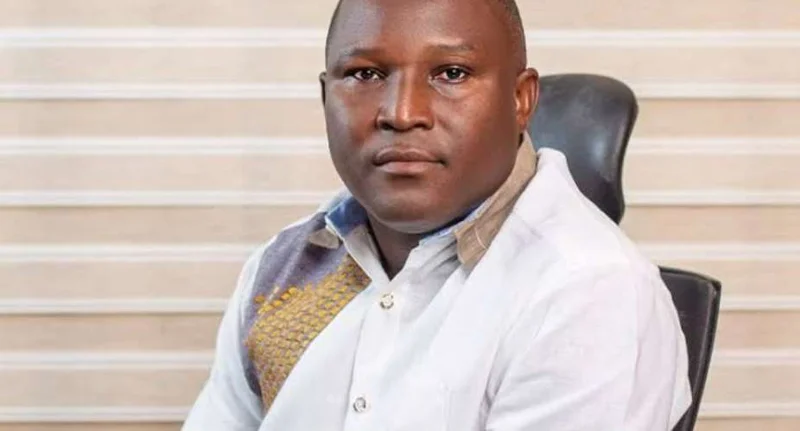
President John Mahama’s administration is confronting a complex intersection of economic necessity and environmental urgency as civil society organizations and policy experts demand a more rigorous approach to both terrestrial and offshore mining. While the government seeks to stabilize the national economy, it faces mounting criticism over the persistent threat of illegal small-scale mining, known as galamsey, and new concerns regarding offshore gold reconnaissance. The current administration’s reliance on gold revenues as a pillar of economic recovery has created a significant policy dilemma, where aggressive enforcement against illegal mining could potentially conflict with short-term financial stabilization goals.
Senyo Hosi, the Convenor of the One Ghana Movement, recently observed that the most opportune moment to decisively end galamsey was missed during the first term of former President Nana Akufo-Addo. According to Hosi, an initially effective crackdown was progressively weakened by political and economic considerations, particularly as the 2020 general elections approached. This retreat from strict enforcement allowed illegal mining to become deeply embedded in local economies, leaving many communities reliant on it for their livelihoods amidst high youth unemployment. Hosi warned that illegal mining operators have now gained substantial political influence, frequently financing political activities and complicating the efforts of successive governments to implement meaningful reforms.
Adding to the calls for stricter oversight, Daryl Bossu, Deputy Executive Director of A Rocha Ghana, has criticized the government for treating galamsey with "kid gloves" compared to other national challenges. He argued that the failure to enforce existing laws has led to a state of neglect and poor compliance that threatens the nation's water security and environmental health. This sentiment is echoed by broader concerns regarding Ghana's strategic dependence on foreign investment, particularly from China, where immediate retail and infrastructure benefits are weighed against the long-term environmental degradation of essential water bodies and the potential erosion of national sovereignty.
Beyond terrestrial mining, President Mahama is now facing calls to review offshore gold reconnaissance licenses along the western coast. In an open letter to the President, a coalition of Civil Society Organisations (CSOs) expressed alarm that licensed areas may overlap with protected marine spaces, threatening fisheries and the livelihoods of coastal communities. The CSOs are advocating for greater transparency, inclusive decision-making, and comprehensive environmental assessments before any intrusive activities commence. They emphasize that protecting Ghana’s marine biodiversity is as critical as rebuilding the depleted fish stocks that sustain millions of citizens.
As President Mahama navigates his current term, the path forward requires balancing the urgent need for gold-driven economic growth with the preservation of the country’s natural resources. The transition from what critics call "political leniency" to a regime of strict legal compliance remains the primary hurdle for the administration. For the government to succeed where previous efforts failed, experts suggest it must decouple political survival from the interests of illegal mining financiers and prioritize a sustainable investment framework that safeguards both the land and the sea for future generations.
Related topic
John Mahama: Latest News & Updates →Live rates
Ghana gold price →

