••
Puma Energy Ghana Partners with Local Distributors to Accelerate LPG Access through Cylinder Recirculation Model
•2 min read•2 sources
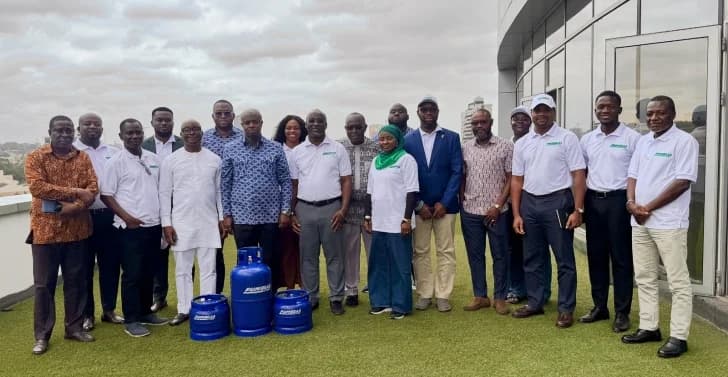
Puma Energy Ghana has launched a significant expansion of its Liquefied Petroleum Gas (LPG) operations by signing partnership agreements with five local distributors, a move aimed at helping Ghana achieve its national target of 50 percent LPG penetration by 2030. This initiative centers on the government’s Cylinder Recirculation Model (CRM), which seeks to overhaul the traditional distribution system to improve safety and accessibility. The National Petroleum Authority (NPA) has signaled its full support for this deepened investment, emphasizing the importance of transparent regulation and collaboration between the state and private industry players to enhance energy security.
As part of a multi-million-dollar investment strategy, Puma Energy plans to significantly increase its infrastructure, with a commitment to introducing over 40,000 new branded cylinders into the market by September 2026. This expansion is designed to reach more than 30,000 local communities across the country. Under the CRM framework, consumers can exchange their empty cylinders for filled ones at no additional cost for the container itself, a decentralised retail approach intended to remove the financial barrier of purchasing new equipment and encourage the transition to cleaner cooking solutions.
The partnership specifically engages five fully Ghanaian-owned enterprises, reflecting a strategic effort to foster local economic growth while improving health outcomes associated with the adoption of LPG over traditional fuels. During a recent high-level meeting, NPA Chief Executive Godwin Kudzo Tameklo reaffirmed the regulator's commitment to providing a fair and efficient environment for such investments. Mr. Tameklo highlighted that building trust between regulators and industry stakeholders is essential for the successful rollout of the CRM, which remains a cornerstone of the nation's energy transition policy.
This collaborative effort represents a major step forward in addressing the logistics and safety challenges that have historically hindered LPG adoption in Ghana. By leveraging a network of local distributors and ensuring a steady supply of reliable, branded cylinders, Puma Energy and the NPA aim to create a more resilient energy market. Ultimately, the move is expected to drive broader social benefits, including reduced respiratory illnesses linked to wood-fuel smoke and a more sustainable, modernized energy infrastructure for households nationwide.
Live rates
Dollar to cedi rate →
