••
Greater Accra Regional Hospital opens oxygen plant to external buyers
•2 min read•1 source
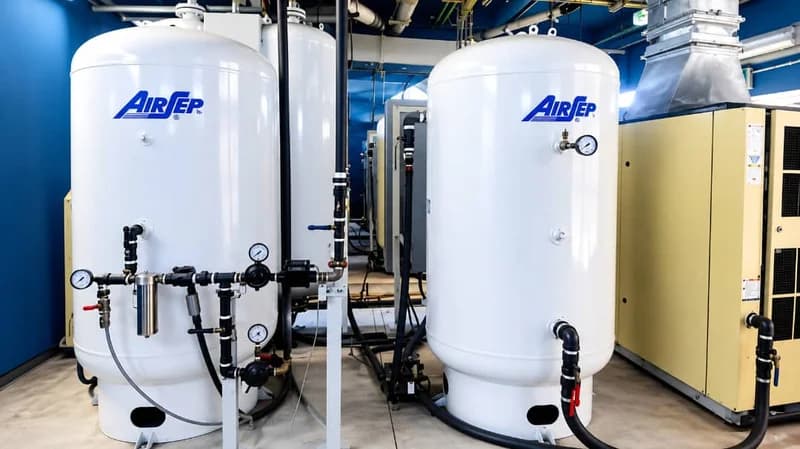
The Greater Accra Regional Hospital, popularly known as Ridge Hospital, has officially opened its medical oxygen plant to external health facilities and individual buyers. This initiative marks a significant expansion of the hospital's services, as the facility previously reserved its oxygen production exclusively for patients within its own wards. By opening its doors to the wider public and other medical institutions, the hospital aims to address regional shortages and improve the reliability of medical gas supplies across the capital. The move is part of a broader effort to leverage the facility's industrial capacity to support the wider healthcare ecosystem. The production process utilized at the hospital is a sophisticated system that filters and compresses atmospheric air to create high-purity medical oxygen. According to hospital officials, the system removes moisture and impurities before the compressed gas is distributed through a dedicated pipeline network. This technical infrastructure allows the hospital to maintain a consistent output that exceeds its own internal demand, creating a surplus that can now be utilized to support other clinics and hospitals that may lack their own production capabilities. Juliana Haruna, the Head of Public Relations at the Greater Accra Regional Hospital, noted that the initiative is expected to significantly enhance overall healthcare delivery across the region. By providing a steady supply of medical oxygen—a critical resource for emergency care, surgeries, and respiratory treatments—the hospital is helping to ensure that other facilities can provide life-saving services without interruption. The expansion of supply to external customers reportedly began around February 2026, positioning the hospital as a key regional hub in the medical supply chain. This strategic shift reflects a commitment to maximizing public health resources for the benefit of the larger population. As a leading referral center, the Greater Accra Regional Hospital's decision to commercialize its surplus oxygen production is seen as a vital step toward achieving better health outcomes and resource efficiency within the national health system. Furthermore, the availability of medical oxygen to individual buyers provides a crucial lifeline for patients requiring home-based care and respiratory support.


