••
Sam Nartey George tasks KNUST to develop Twi AI language model
•2 min read•1 source
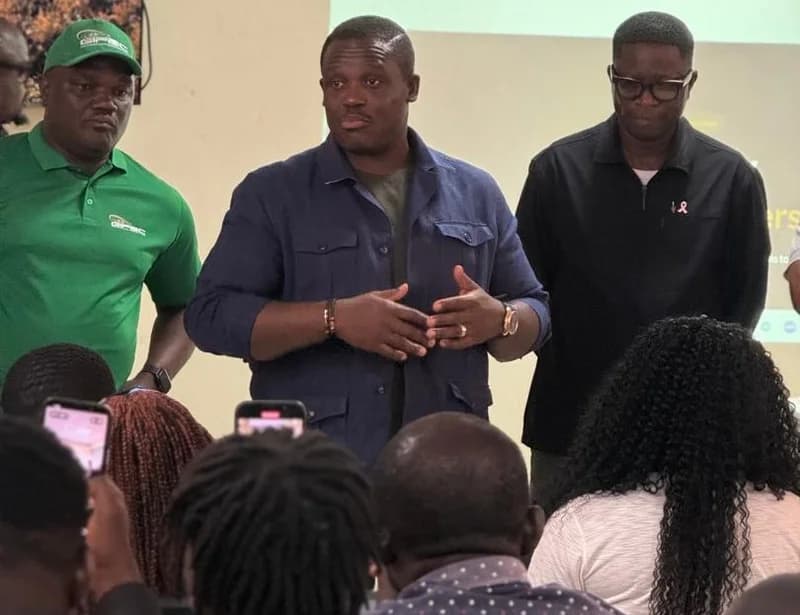
The Minister for Communications, Digital Technology and Innovations, Sam Nartey George, has officially called upon the Kwame Nkrumah University of Science and Technology (KNUST) to spearhead the development of indigenous Artificial Intelligence (AI) language models. During an address at the university, the Minister specifically tasked the institution with creating a Twi-based AI model to ensure that Ghana's technological future is rooted in its own linguistic heritage. This initiative is part of a broader strategy to reduce the nation's reliance on foreign AI systems, which often lack the cultural and linguistic nuance required for the Ghanaian context.
The Minister expressed significant concern regarding the potential extinction of indigenous languages if they are not integrated into modern technological advancements. He argued that foreign-built AI models are fundamentally unsuitable for capturing the specific idioms, proverbs, and tonal nuances of Ghanaian languages. By developing local models, Ghana can protect its cultural identity while providing more accessible tools for citizens who primarily speak local dialects. Sam Nartey George emphasized that this transition is necessary to prevent a situation where local languages are sidelined by global technology standards.
Beyond linguistic preservation, the Minister highlighted the practical benefits of localized AI for key sectors such as agriculture. He noted that a Twi-speaking AI could provide critical information and support to Ghanaian farmers in their native tongue, bridging the digital divide that currently exists. To achieve this, the Minister advocated for a robust collaboration between academic institutions like KNUST and traditional authorities, who serve as custodians of the language and culture. This partnership is expected to ensure the accuracy and cultural relevance of the data used to train these new AI models.
As Ghana moves toward establishing its own local-language AI infrastructure, the involvement of KNUST marks a significant step in aligning academic research with national digital goals. The Minister’s directive underscores the importance of technological sovereignty, ensuring that the benefits of the digital revolution are inclusive and representative of Ghana's diverse population. The successful development of a Twi model is envisioned as a blueprint for other local languages, setting a precedent for how African nations can reclaim their digital narratives in an increasingly AI-driven world.


