••
SIGA Reports Record GH"19.8bn Profit for State-Owned Enterprises as Tema Oil Refinery Breaks Decade-Long Loss Streak
•3 min read•13 sources
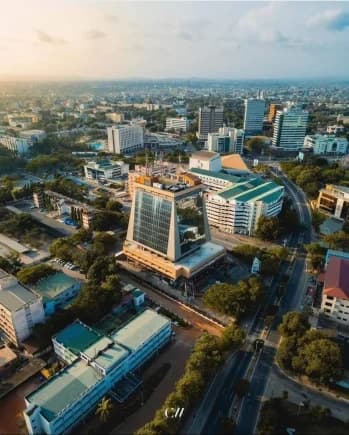
Ghana’s State-Owned Enterprises (SOEs) achieved a historic financial turnaround in 2025, recording a consolidated net profit of GH₵19.8 billion. According to the 2025 State Ownership Report (SOR) released by the State Interests and Governance Authority (SIGA), this performance marks a dramatic reversal from the GH₵2.3 billion net loss recorded in 2024. Total revenue for the sector surged by 28.12% to GH₵176.43 billion, driven by growth in agriculture, manufacturing, and infrastructure. SIGA’s leadership attributed this recovery to improved corporate governance and the strategic direction under President John Mahama, who assumed office in January 2025. Employment across these entities also saw a 5.5% increase, bringing the total workforce to 98,724.
Highlighting individual successes, the Tema Oil Refinery (TOR) posted its first profit in nearly a decade, a net gain of GH₵1.093 billion, following a massive 172.03% surge in year-on-year revenue. TDC Development Company also saw its net profit more than triple to GH₵195.61 million, while Intercity STC Coaches Limited successfully reduced its net losses by 92.6%, narrowing its deficit to GH₵5.18 million. Additionally, the Ghana Grid Company Limited (GRIDCo) reported an 89.02% increase in net profit, though this was largely attributed to a significant rise in finance income rather than core operations, as its operating profit actually plunged by nearly 90%.
Despite the aggregate gains, several key entities faced severe financial distress. The Cocoa Processing Company (CPC) saw its revenue plummet by 46.87%, resulting in a net loss of GH₵144.06 million, which SIGA linked to potential market shocks and the loss of processing contracts. The Ghana Infrastructure Investment Fund (GIIF) also shifted from a GH₵2 billion profit to a GH₵1.62 billion net loss, primarily due to exchange rate fluctuations and a 37.86% decline in total income. Meanwhile, Ghana Digital Centres Limited recorded its fifth consecutive year of losses, with its deficit tripling to GH₵6.06 million amid falling revenues and operational challenges.
The reported profitability has faced external scrutiny, with Bright Simons, Vice President of IMANI Africa, challenging the validity of the GH₵19.8 billion figure. Simons argued that the apparent turnaround was heavily influenced by currency revaluation effects rather than genuine operational efficiency. According to his analysis, when adjusting for these currency movements, the underlying profitability of the SOE sector actually declined by 17.1%. Furthermore, while gender representation in the workforce reached 30%, it remains lower in executive management roles, where women hold only 28.45% of positions, highlighting a persistent gap in senior leadership diversity.
Looking forward, SIGA is pushing for legislative reviews to enhance oversight and ensure better accountability across all public entities. While the 2025 report highlights significant strides in financial controls and a reduction in recoverable irregularities, persistent deficits in the power sector—particularly within the Electricity Company of Ghana (ECG)—remain a critical vulnerability. The government’s focus remains on sustaining this recovery by addressing high debt levels and structural challenges that continue to plague specific state entities, aiming for a more resilient and self-reliant public enterprise sector.
Related topic
John Mahama: Latest News & Updates →Live rates
Dollar to cedi rate →
