••
Spain, Argentina, France, and England Secure Historic 2026 World Cup Semifinal Berths
•3 min read•3 sources
The 2026 FIFA World Cup has reached an unprecedented historic milestone as the top four nations in the global rankings—Spain, Argentina, France, and England—have all advanced to the semifinals. This marks the first time in the tournament's history that the top four FIFA-ranked teams have successfully navigated the bracket to reach the final four in exact alignment with their pre-tournament standings. The upcoming high-stakes matchups will see top-ranked Spain face third-ranked France on Tuesday, while second-ranked Argentina prepares to battle fourth-ranked England on Wednesday. With all four semifinalists being previous World Cup winners, the tournament guarantees that the eventual champion will be a returning powerhouse of the sport.
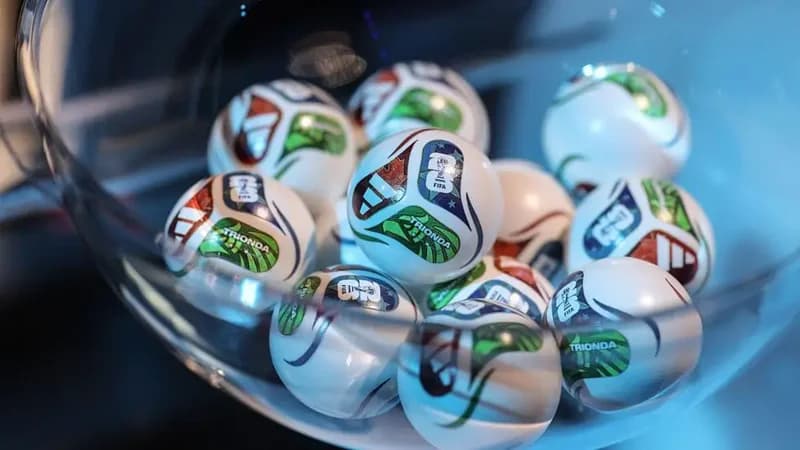
This historic outcome was facilitated by strategic adjustments FIFA implemented for the expanded 48-team format. To maintain competitive balance and ensure that the world's most high-profile matchups occurred later in the tournament, FIFA modified the draw process to separate the top four seeds into different quadrants. This structural change prevented the heavyweights from meeting in the early knockout stages, provided they won their respective groups. Since all four teams—Spain (1), Argentina (2), France (3), and England (4)—successfully topped their groups and won their subsequent knockout matches, the strategic seeding worked exactly as intended, a rarity compared to previous 32-team tournaments where early upsets often disrupted such rankings-based projections.
Beyond the dominance of the global elite, the 2026 tournament has also become a landmark event for African football. In a record-breaking performance, nine out of the ten African nations participating in the tournament progressed beyond the group stage. This surge in performance highlights the continent's growing prowess and the effectiveness of the expanded format in providing more opportunities for emerging footballing regions. While the semifinals are dominated by traditional European and South American powers, the collective success of the African representatives signals a shift in the global footballing landscape that may challenge the status quo in future editions.
As the world prepares for the penultimate matches, the 2026 World Cup has successfully balanced the preservation of elite competition with the expansion of global representation. The structural changes made by FIFA have not only protected the tournament's 'blockbuster' fixtures for the final stages but have also provided a more stable platform for the world’s best teams to demonstrate their consistency. With the semifinals now set, the football world turns its attention to these heavyweight contests, where the stabilization of the global elite will be put to the ultimate test in the quest for the most prestigious trophy in sports.

