••
Sudan drone strike in West Kordofan kills 80 market commuters
•2 min read•1 source
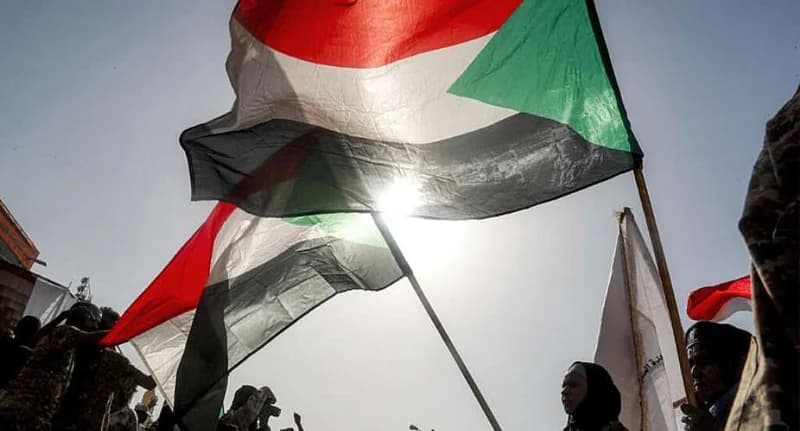
A devastating drone strike in the Al-Dibab area of West Kordofan state, Sudan, has resulted in the deaths of at least 80 people. The attack, which occurred on Sunday evening, targeted a group of commuters who were returning home from a local market. This incident stands as one of the deadliest single events recorded since the civil conflict between the Sudanese Armed Forces and the Rapid Support Forces (RSF) erupted in April 2023. Victims included a significant number of civilians, further highlighting the escalating danger to non-combatants in the region. Eyewitness accounts from the scene paint a harrowing picture of the aftermath in this remote part of southern Sudan. Ahmed Abakar Wadi, a local resident, reported that the scale of the carnage was overwhelming, as he personally assisted in the burial of 50 victims, including his own brother. The casualties also included several children who were caught in the explosion. Medical responses were severely hampered by the remote location of Al-Dibab and the sheer number of injuries, with many of the wounded dying while in transit to the nearest hospital. The Rapid Support Forces, which claims to have control over the West Kordofan region, has publicly blamed the Sudanese army for the drone strike. This incident occurred alongside reports of separate aerial attacks near the national capital that claimed the lives of three young children. The ongoing use of drone technology in the conflict has become a significant point of contention, with both sides trading accusations of war crimes while civilian casualties continue to mount in areas far from the primary front lines. The strike underscores the deepening humanitarian crisis in Sudan as the war enters its second year without a clear resolution. Remote states like West Kordofan remain particularly vulnerable to such attacks due to a lack of international monitoring and insufficient medical infrastructure to handle mass casualty events. As the conflict intensifies, the protection of civilians remains a critical concern for humanitarian organizations and the international community, who are witnessing an increasingly violent struggle for territorial control.

