••
Dr. Adu Sarkodie and Industry Experts Demand Clarity on President Mahama’s 24-Hour Economy and Sector Funding
•3 min read•5 sources
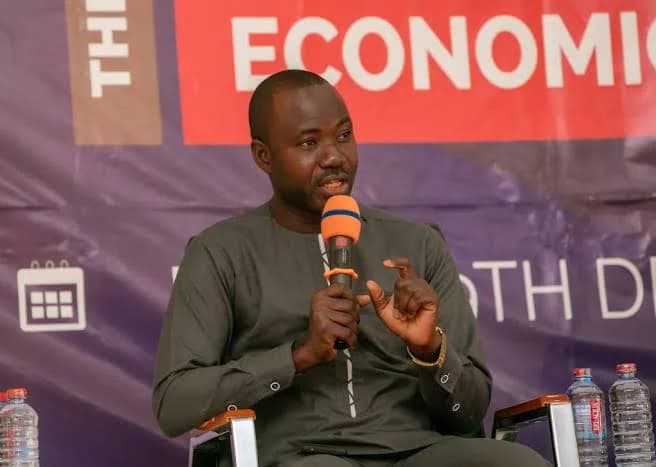
President John Mahama's flagship 24-hour economy policy is facing increased scrutiny as experts and industry observers demand greater clarity and a tighter alignment between its conceptual framework and practical execution. Dr. Adu Owusu Sarkodie, a Senior Lecturer at the University of Ghana and Executive Director of the Centre for Policy Scrutiny, has warned that the government risks a potential voter backlash if it fails to bridge the growing disconnect between its well-researched policy documents and the reality of its implementation. As the administration reaches the midpoint of its four-year term, the call for transparency regarding manifesto promises has intensified, particularly concerning how these initiatives will drive genuine economic transformation rather than increasing the nation's reliance on imports.
Speaking on Channel One TV’s The Big Issue, Dr. Sarkodie praised the 287-page 24-hour economy document as a well-researched piece of work but noted several glaring inconsistencies. He specifically pointed out that the government's transformative "1-3-3" economic agenda is barely mentioned within the policy document. Furthermore, he criticized the strategy of constructing 24-hour markets without first establishing the necessary productive capacity to supply them. Without a shift toward local production, Dr. Sarkodie argues that the policy will merely facilitate the sale of imported goods around the clock, undermining the core objective of self-sustained economic growth and national development.
The pressure on the Mahama administration is compounded by the political calendar, with Dr. Sarkodie urging the government to deliver at least one major, tangible initiative before the next general election. He emphasized that honest communication is essential, suggesting that if certain aspects of the policy are unfeasible in the short term, the government must explain these challenges to the electorate. This sentiment aligns with views from some officials, such as MP Kweku Ricketts-Hagan, who described the policy as a long-term plan; however, the demand for immediate accountability remains high as voters look for evidence of the promised economic relief.
Beyond broader economic policy, the administration’s handling of sector-specific funding has also come under the spotlight during the 2026 Mid-Year Budget Review. Journalist Attractive Mustapha recently questioned the Finance Minister’s decision to revisit creative arts funding during the review, arguing it was redundant given President Mahama’s previous commitment of GH₵60 million to the sector. Mustapha contended that mid-year reviews should prioritize macroeconomic performance assessments rather than restating established commitments. He urged the government to move beyond rhetoric and focus on strategic public investments that empower industry participants to enhance Ghana’s cultural economy.
As President Mahama's administration navigates these criticisms, the focus shifts to whether the executive can synchronize its diverse policy goals into a coherent operational strategy. The successful implementation of the 24-hour economy and the efficient disbursement of creative arts funding are seen as litmus tests for the government's ability to fulfill its campaign promises. For the administration to maintain public trust, it must ensure that its actions—from market construction to budgetary allocations—directly reflect the ambitious transformative goals outlined in its policy documents, proving that its economic vision is more than just a well-documented theory.
Related topic
John Mahama: Latest News & Updates →

