••
Ghana’s Accountability Crisis: Auditor-General Flags $20 Billion in Irregularities Amid Global and Regional Regulatory Shifts
•3 min read•10 sources
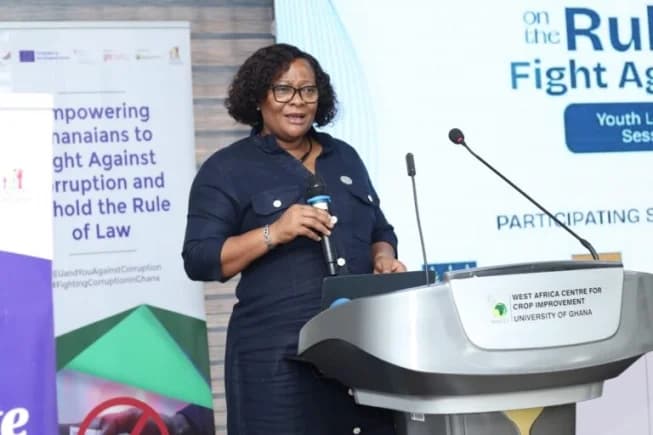
Ghana’s financial landscape is under intense scrutiny following a landmark analysis of Auditor-General reports from 2010 to 2025, which revealed a staggering $19.96 billion (GH¢129.8 billion) in financial irregularities. The report, compiled by Auditdata Gh, highlights a systemic failure in debt recovery, with outstanding debts and unrecovered loans accounting for two-thirds of the flagged issues. Notably, 81% of these irregularities were recorded during the tenure of the previous New Patriotic Party (NPP) administration, with the remaining $3.74 billion occurring during National Democratic Congress (NDC) years. This financial revelation coincides with a worrying assessment from Transparency International (TI-Ghana), which reported that the country’s Corruption Perceptions Index has stagnated at a score of 43 in 2025, reflecting a normalization of administrative corruption that poses a significant threat to national development.
These governance challenges have intensified political friction in Parliament, particularly regarding the legal boundaries of executive authority and public accountability. The Minority caucus, led by Damongo MP Samuel A. Jinapor, has formally challenged Foreign Affairs Minister Samuel Okudzeto Ablakwa’s authority to demand a refund from Hajia Alima Mahama, a former Ambassador to the United States. Jinapor contends that under Article 187 of the Constitution, only the Auditor-General possesses the legal power to disallow or surcharge public officers, characterizing the Minister’s demand as a circumvention of due process. This debate over institutional powers is mirrored in the ongoing controversy surrounding the Bank of Ghana’s technical insolvency. While the Minority has raised alarms over the central bank’s negative equity, Majority MP Fred Kyei Asamoah argued that these concerns are not new and criticized previous attempts to block parliamentary scrutiny of the bank’s operations during the prior administration.
Beyond the halls of Parliament, institutional and regional developments are further shaping the accountability narrative. Locally, the Office of the Registrar of Companies (ORC) is embroiled in a dispute with the Cyber Security Authority (CSA) over sanctions it deems "premature and procedurally unfair," seeking administrative redress from the Attorney-General. Regionally, neighboring Senegal has taken proactive steps toward transparency, with its parliament passing a law mandating that the president and top officials declare their assets upon entering and leaving office. This move toward legislative tightening comes as Nigeria reports a significant expenditure of N252 billion in the first half of 2026 to address persistent insecurity, including banditry and kidnappings, highlighting the immense fiscal pressure that internal instability places on West African governments.
On a global scale, the demand for corporate and political responsibility is reaching a fever pitch. In the United States, Meta has entered a high-stakes jury trial as 30 states seek over $1 trillion in damages for alleged privacy violations that have harmed young users. The legal action, which demands the removal of features like "like" counts to protect youth mental health, mirrors historical consumer protection battles against the tobacco and opioid industries. Furthermore, political rhetoric in the U.S. has triggered a travel boycott among Canadians, who are increasingly opting for domestic vacations over American destinations. These international events, alongside Ghana’s internal audit and corruption debates, underscore a growing global consensus that sustainable governance depends on the rigorous enforcement of transparency and the protection of public interests across both the public and private sectors.
Related topic
NDC (National Democratic Congress): Latest News →

