••
President Mahama's Industrial Agenda Advances with Landmark Cocoa Sector Reforms and $700 Million VALCO Revival Plan
•3 min read•8 sources
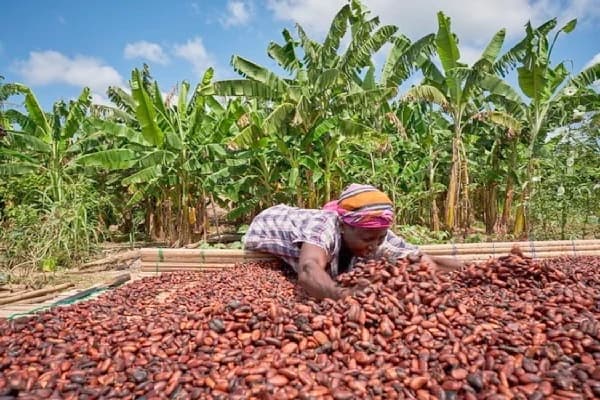
The administration of President John Mahama has marked a significant week in economic and industrial policy as Parliament passed the transformative Ghana Cocoa Board (COCOBOD) Bill, 2026, while the government moved to secure the future of the state-owned Volta Aluminium Company (VALCO). These dual developments signal a robust push toward local value addition and the stabilization of key national assets. The new COCOBOD legislation, which replaces the outdated 1984 Act, aims to modernize the cocoa industry by enshrining a legal guarantee that farmers receive at least 70% of the Free-on-Board (FOB) export price, shielding smallholders from price volatility and ensuring more equitable returns for their labor.
The COCOBOD Bill, 2026, introduces a series of high-impact reforms designed to boost domestic industrialization and fiscal discipline. Key provisions include a mandate that 50% of all cocoa produced in Ghana must be reserved for local processing, a move intended to stimulate the domestic manufacturing sector. Additionally, the bill addresses long-standing financing hurdles by establishing a new model to source funding locally, moving away from the difficulties associated with international syndicated loans. While the legislation received bipartisan support, the Minority expressed reservations regarding the governance structure of the board, advocating for greater independence from external political influences. The bill also establishes a Cocoa Farmers Pension Scheme and a specialized cocoa tribunal to prosecute sector infractions and smuggling.
Simultaneously, the Minister for Lands and Natural Resources, Emmanuel Armah-Kofi Buah, has acted to quell unrest at VALCO following worker demonstrations over rumored privatization. During a visit to the smelter, Minister Buah reassured employees that the government has no intention of selling the facility to private interests or individuals, specifically dismissing rumors regarding a sale to Ibrahim Mahama. Instead, the Cabinet has approved a strategy to identify a strategic investor to inject an estimated $700 million required for the plant's modernization. This investment is critical to resolving over $250 million in accumulated power debts and upgrading the facility from its current operation of 90 cells to its full capacity of 500 cells, which could potentially expand the workforce from 800 to 5,000 employees.
To ensure transparency throughout the revitalization of VALCO, the government has committed to including a worker representative on the investor selection committee. The CEO of VALCO, Dr. Robert Makila Sambian, has joined the Minister in urging staff to support these reforms, emphasizing that cooperation is essential for the company’s long-term sustainability. As the COCOBOD Bill moves to President Mahama for his executive assent, the government’s focus shifts to the implementation of these regulatory guidelines and the formal search for a strategic partner for VALCO. These initiatives reflect a broader national strategy to leverage Ghana's natural resources for industrial expansion and improved social welfare for the rural workforce.
Related topic
John Mahama: Latest News & Updates →

