••
Minority Rejects $85m Afari Hospital Claim as Government Moves to Safeguard GBC Assets and Defend Infrastructure Spending
•3 min read•20 sources
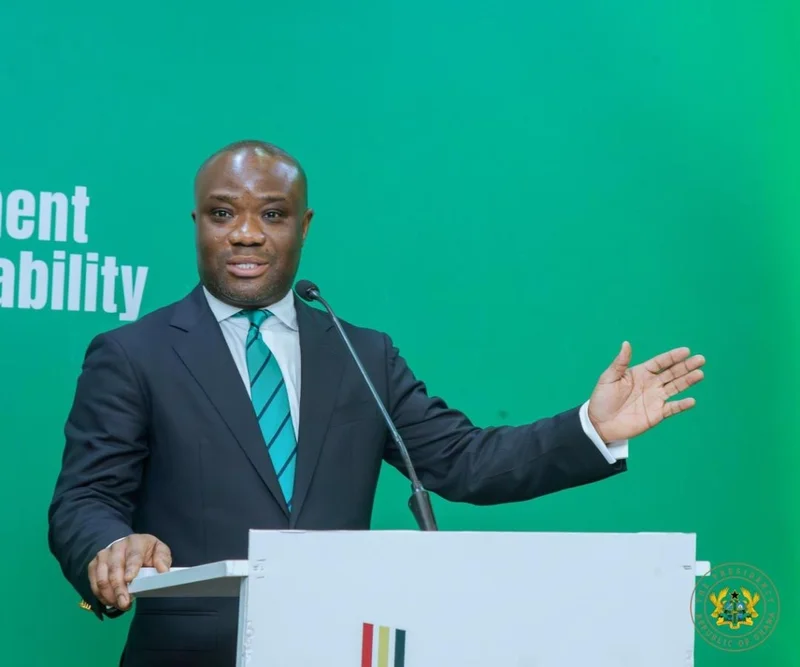
The Minority Caucus in Ghana’s Parliament has intensified its scrutiny of government expenditure and asset management, most notably by rejecting a purported $85 million debt claim by contractors for the Afari Military Hospital in the Ashanti Region. Led by Deputy Ranking Member Kofi Amankwa-Manu, the Minority labeled the demand by Euroget De-Invest as "absurd and criminal," asserting that official records show only $500,000 remains outstanding on the project. This standoff follows a Health Committee visit to the 500-bed facility, which remains unoperational despite being nearly complete. The delay has drawn sharp criticism from across the political aisle, including former MP Kennedy Agyapong, who lambasted both the current New Patriotic Party (NPP) administration and the previous National Democratic Congress (NDC) government for failing to operationalize the hospital after years of construction and location changes.
Parallel to the healthcare infrastructure dispute, the protection of national assets has taken center stage following concerns raised by Minority Leader Alexander Afenyo-Markin regarding the Ghana Broadcasting Corporation (GBC). The Minority alleged that GBC lands, particularly at Kanda in Accra, have been encroached upon or utilized by other state agencies, such as the Ghana Revenue Authority (GRA), without proper accountability or compensation. In response, Minister for Government Communications Felix Kwakye Ofosu announced that a comprehensive retooling and capitalization plan for GBC will soon be presented to Cabinet. The Minister assured Parliament that efforts are underway to secure compensation for lands used to build the Ministry of Finance headquarters and to reposition GBC as a competitive entity in the modern media landscape.
Simultaneously, the government has moved to defend its procurement practices and fiscal management amid reports of rising costs. A presidential investigation recently cleared the Ministry of Roads and Highways of abusing single-source procurement processes under the "Big Push" infrastructure initiative, concluding that over 90% of the 1,441 contracts were awarded through open competitive tendering. However, Sulemana Braimah of the Media Foundation for West Africa has called for the full disclosure of these project details to ensure genuine transparency. At the same time, the Presidency has had to explain a projected 148% jump in its compensation budget for 2026—from GH₵100 million to GH₵248 million. Officials attributed the spike to revised Article 71 salary determinations and the payment of outstanding arrears and ex-gratia to former staff, rather than a hike in current salary levels.
These combined developments highlight a period of rigorous parliamentary oversight and administrative defense regarding Ghana's public resources. While the government emphasizes its commitment to reforms and the completion of major projects like the Afari Military Hospital, the opposition continues to demand stricter accountability and value for money in public spending. Moving forward, the approval of the GBC retooling plan and the resolution of the Afari Hospital financial dispute will serve as critical indicators of the government's ability to manage state assets and infrastructure projects effectively amidst growing economic and political pressure.
Related topic
Ghana Customs Recruitment: Latest News & Updates →