••
President Zelenskyy Appeals for Urgent Air Defenses Following Deadly Russian Missile Strikes and Ukrainian Counter-Attacks on Oil Refineries
•2 min read•2 sources
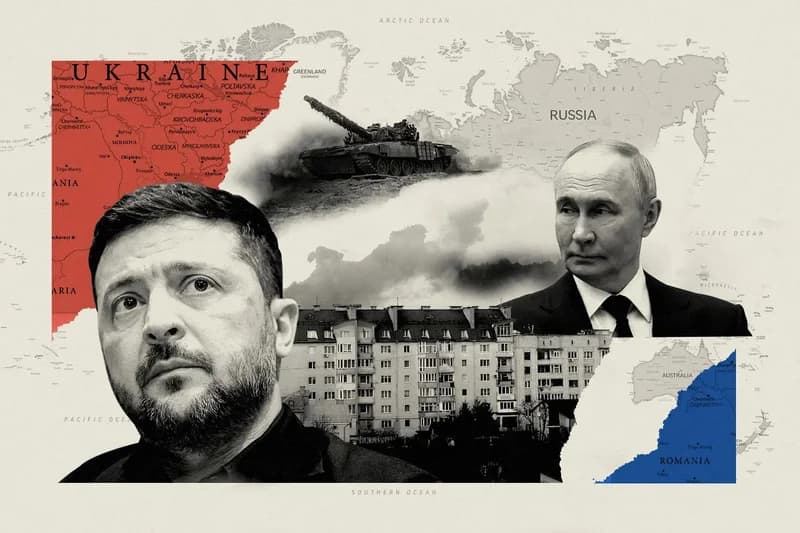
The conflict between Ukraine and Russia has reached a critical escalation as Ukrainian President Volodymyr Zelenskyy confirmed a series of strategic drone strikes on major Russian oil refineries, while simultaneously mourning the loss of at least 17 civilians in a devastating missile barrage on Kyiv. The Russian strike, which involved 28 ballistic missiles, notably overwhelmed Ukrainian defenses, with the national air force reporting zero successful interceptions. This failure highlights a dire shortage of air-defense ammunition and equipment, which Zelenskyy attributed to a 66% drop in foreign military supplies compared to the previous year. The attacks on Kyiv primarily targeted military logistics hubs and the Kvitneva station in Brovary, leaving 44 others wounded as the war enters its fifth year.
In a tactical expansion of its aerial campaign, Ukrainian forces successfully targeted the Bashneft-Novoil refinery in Bashkortostan and the Slavneft-Yanos refinery in Yaroslavl. These long-range strikes, described by local Russian officials as the largest drone operation of the conflict to date, were intended to disrupt the oil revenues Moscow uses to finance its military operations. Beyond the refineries, Ukrainian forces also targeted Russian naval assets in the Black Sea, including patrol boats and vessels belonging to a "shadow fleet" used for oil exports. President Zelenskyy emphasized that these operations are necessary to bring Russia to the negotiating table by impacting its economic stability.
In immediate retaliation for the refinery strikes, Russian forces launched a series of heavy bombardments across several Ukrainian regions, resulting in at least 11 additional civilian deaths. The humanitarian crisis continues to worsen as long-range shelling destroys infrastructure, contradicting Kremlin claims of a controlled war of attrition. With winter approaching, Ukrainian officials are expressing grave concerns regarding the vulnerability of the nation's power grid and civilian safety. Zelenskyy has intensified diplomatic discussions with NATO and international partners, including Finnish leadership, to secure high-altitude interceptors specifically designed to counter ballistic threats like the Iskander-M missile.
As the conflict persists, the strategic landscape is increasingly defined by this cycle of high-stakes long-range strikes. While Ukraine demonstrates an increasing capability to hit targets deep within Russian territory, its domestic security remains fragile due to the depletion of air defense stocks. The future of the conflict now hinges on the speed of international military aid and the success of diplomatic efforts to bolster Ukraine's defensive perimeter before the peak of the winter season.
